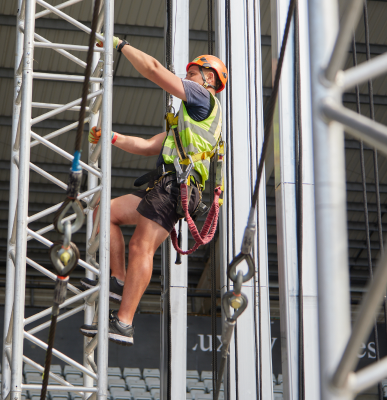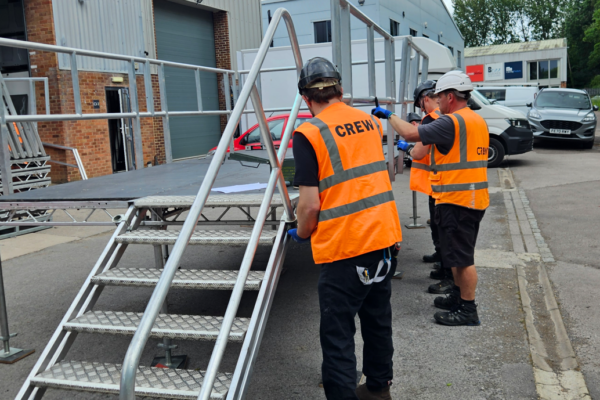
The recent MUTA Members Day brought together industry professionals from across the temporary tents structures sector for a day of discussion, reflection, and forward-looking conversation about standards, training, and the future of the industry.
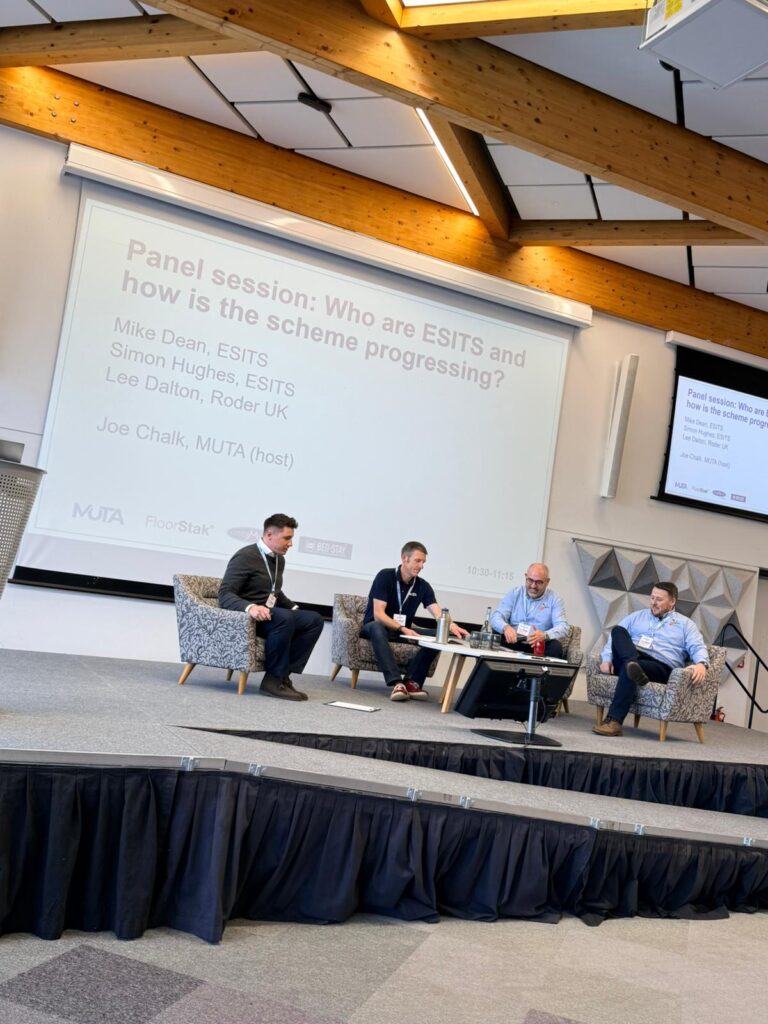
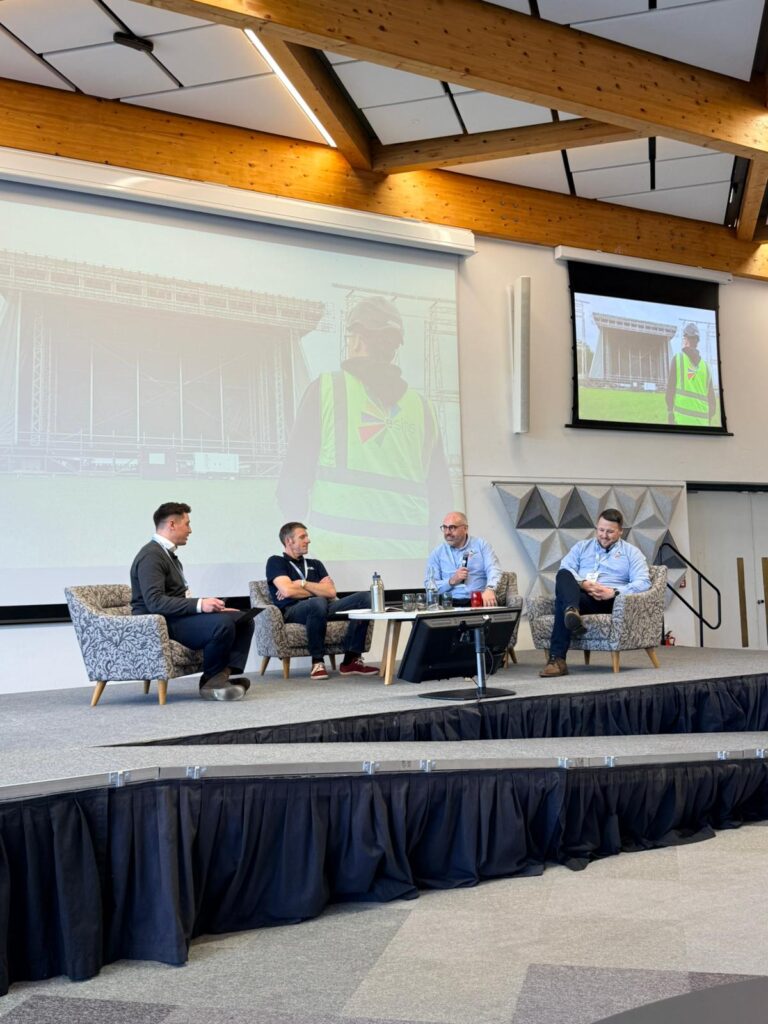
One of the standout sessions of the event was a panel discussion titled:
“Who are ESITS & How is the scheme progressing?”
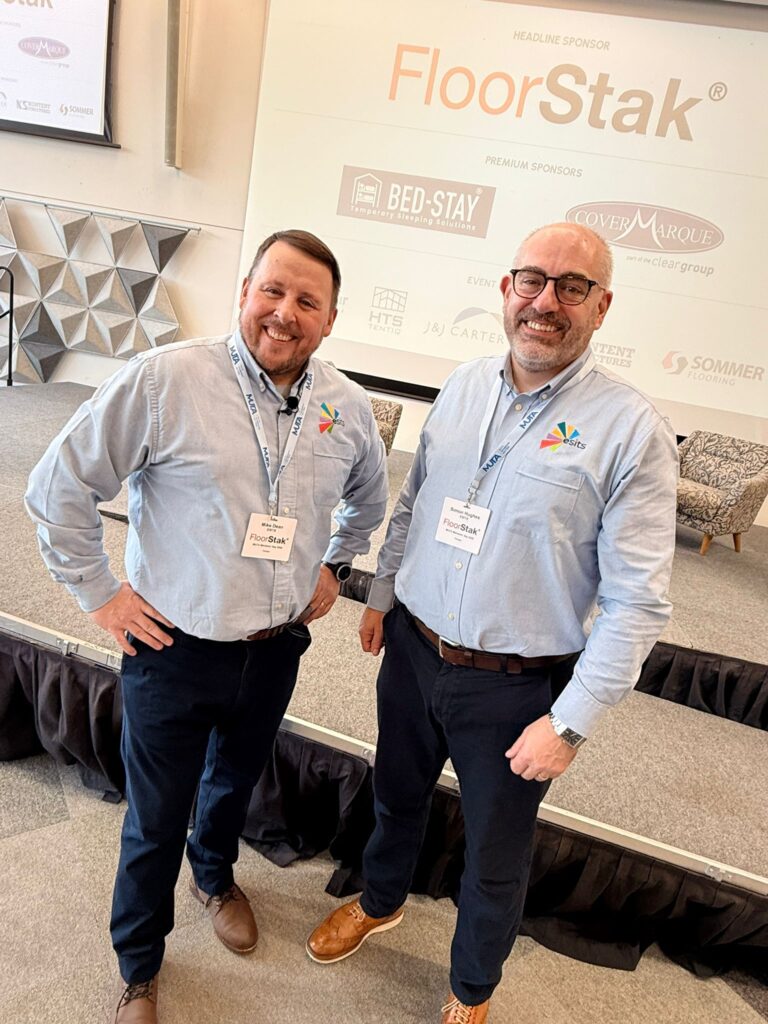
The panel featured key voices behind the initiative, including Simon Hughes, Joe Chalk Managing Director of MUTA and Mike Dean, who leads the ESITS scheme. The session also referenced the work and perspective of the MUTA president, Lee Dalton, who has been a strong advocate for improving skills verification across the sector.
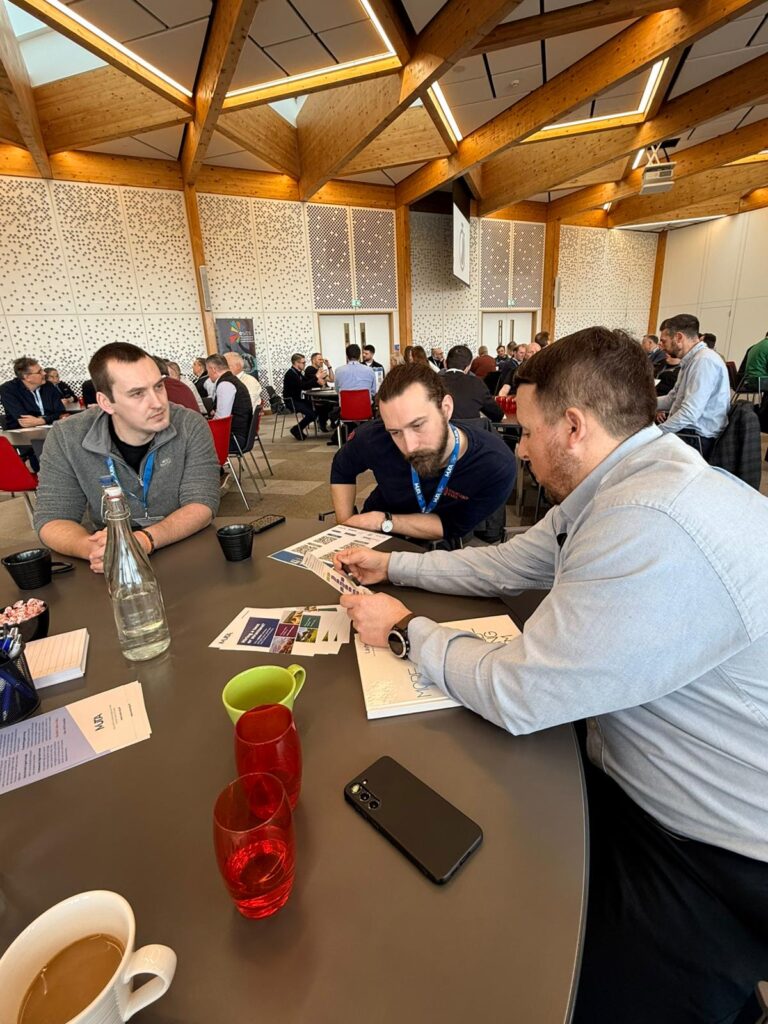
Why ESITS Matters
A key theme discussed during the session was industry competency and traceability means for Employers and individuals to demonstrating skills, knowledge and behaviours for the structures they provide.
As highlighted during the discussion, courses like GECO allow workers to demonstrate that they have been independently verified and assessed at entry level to reassure Clients and employees and give them confidence that individuals truly possess the skills to act as a labourer on site. ESITS focuses on providing a structured pathway that helps workers demonstrate real competency within the temporary structures industry.
Panel members emphasised that the industry increasingly needs:
• Clear evidence of competency
• Traceable training pathways
• Independent verification of skills
• A consistent platform to recognise experience and knowledge
A Long-Term Journey
During the discussion, Simon reflected on the development of the scheme so far.
When ESITS was first launched, there was significant interest from the industry, but also a level of scepticism. According to Simon, that reaction was expected. Building trust and momentum in a new scheme takes time.
He explained that progress should be viewed over a 3–5 year journey, where the focus is on building credibility, developing training pathways, and demonstrating the value of the scheme. Early reactions are now gradually being replaced by curiosity and growing engagement as the industry begins to see the long-term benefits.
Panel members noted that ESITS courses are in-depth and require real commitment, but that level of detail is exactly what the industry needs to raise standards.
Building Momentum
Simon also spoke about the importance of resilience when introducing change to an established industry.
While early stages involved both interest and criticism, the scheme is steadily building momentum as more organisations engage with the concept. MUTA continues to expand its training portfolio, ensuring that the industry has access to the tools needed to support the scheme’s development.
As Simon summarised during the discussion:
• Momentum takes time to build
• High standards require commitment
• The industry needs a consistent way to recognise competency
And most importantly, MUTA is committed to supporting the industry for the long term.
Looking Ahead
The panel discussion made one thing clear: the ESITS scheme is about raising professional standards across the temporary structures industry.
By creating clearer pathways for training, verification, and career development, the initiative aims to support both businesses and individuals while strengthening confidence across the sector. With continued collaboration between MUTA , the Guild of Tent Masters, the ESITS team, and industry stakeholders, the coming years will be crucial in shaping how skills and competency are recognised within the industry.